I have recently started doing some graphic design in my spare time, and my first series is a visual portrayal of the Apostles’ Creed. I was inspired by the frescoed ceilings at the Cathedral in Siena in Italy, where they did something similar, only in 12 panels by Vecchietta. My goal was to use a more minimalist poster style to communicate effectively: lots of negative space, simpler shapes, and minimal details. I wanted to incorporate aspects of my trip to Italy, well thought out color schemes, and even poster position to visually illustrate and help people teach and remember the Apostles’ Creed. Underneath the gallery, I’ve explained the significance behind each individual image and my design choices.
Downloading Images
Digital downloads of each poster in the Apostles’ Creed series are available in my Etsy shop. You’ll find a download link below the gallery and beneath each individual image’s explanation. Purchasing a download also helps support me as I pay for seminary and continue to design more in my free time.
Follow My Work on Behance
If you’d like to stay up to date with my graphic design work, you can follow me over on Behance. I will be posting most of my work here as well, but on Behance you can see works in progress among other designs. I’ve got ideas for a couple more series like this (e.g. councils, specific saints, individual books of the Bible, etc.)
Explanations of Each Design:
I believe in God,
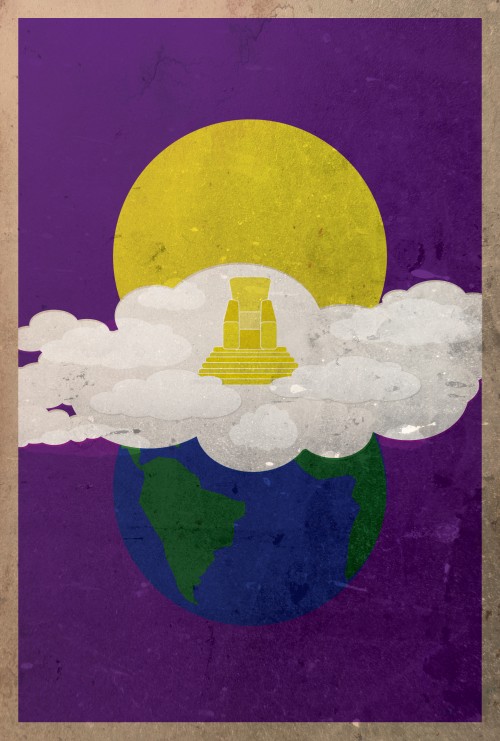
Creator of heaven and earth,
Download Image 2 – Incarnation
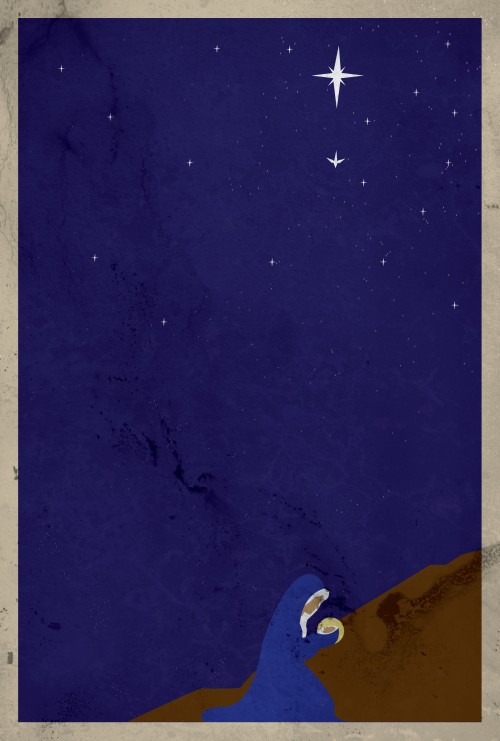
born of the Virgin Mary,
he descended into hell;
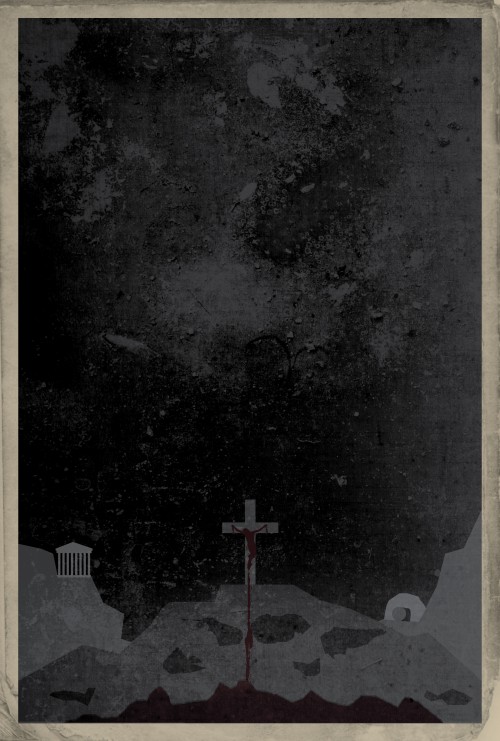
Black is symbolic of death and mourning, and the deep red is symbolic not only of the blood of sacrifice but is often associated with the sacred heart of Jesus. The Roman building on the left represents Pontius Pilate, with the tomb on the right. I wrestled with how to visually portray Jesus descending into hell. Typically hell is cavernous in art, and so I chose to use a red cavern below the cross to depict hell. The blood from Jesus’ sacrifice trickles down into the cavern, depicting Jesus descent into hell, and ultimately his “harrowing of hell” as the Eastern Church describe it – which ties in with the next poster on the ascension, below.
from there he will come to judge the living and the dead.
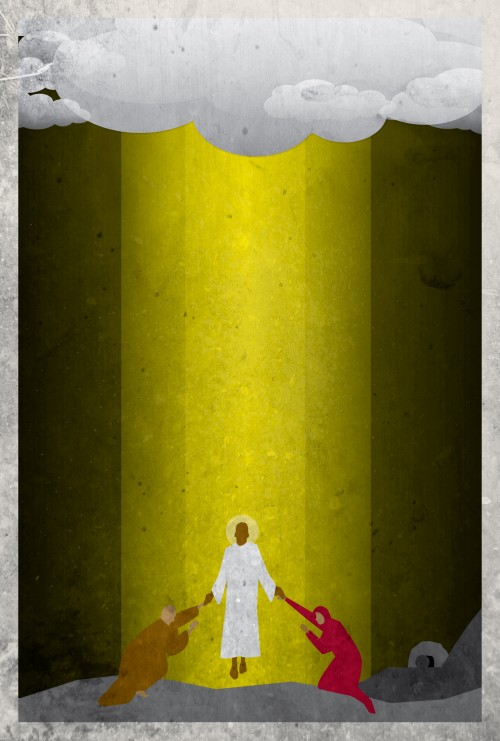
Yellow, as mentioned before, is the color of divinity and represents heaven. Yellow also ties this poster to the one positioned above it, showing the throne of the Father in heaven (tied with the clouds above) – thus positionally Jesus is ascending into the poster above to sit at the right hand of the Father. Jesus’ resurrection is hinted at by the empty tomb to the right, which also ties the poster in with the previous one. My inspiration from this one is largely the Eastern icon of the anastasis (or “harrowing of hell”). Jesus is depicted pulling Adam and Eve out of their graves – who are symbolic of all people, living and dead.
I believe in the Holy Spirit,
the communion of saints,
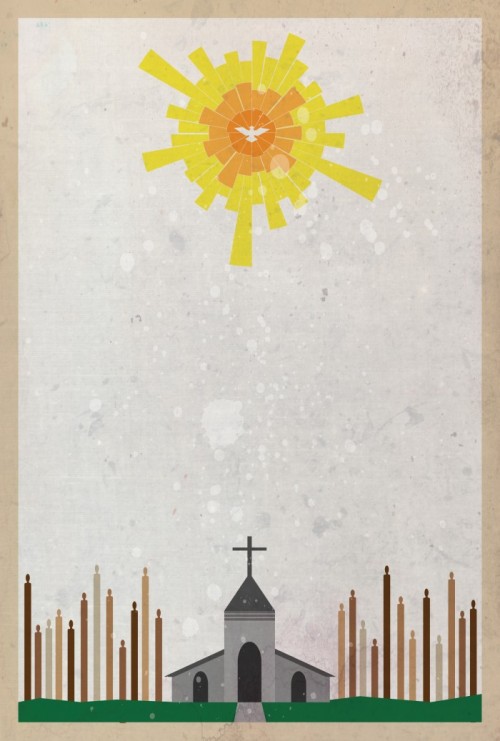
White is symbolic of purity and the saints are typically shown as dressed in white. The upper part of this poster (the dove) is inspired by the stained glass window in St. Peter’s Basilica in Rome. The yellow ties the picture with divinity in the other posters, and the orange is like fire and hints towards the idea of Pentecost (as well as ties with the tree of life in the last poster, below). I almost depicted an Italian cathedral to represent the Church, but decided on a more simple church to symbolize the ordinary body of Christ around the world. The saints were inspired by the statues on the spires of Milan Cathedral, which had a profound impact on me in visually representing the communion of saints (there are 24, representing OT & NT saints).
Download Image 6 – Resurrection
and life everlasting. Amen.
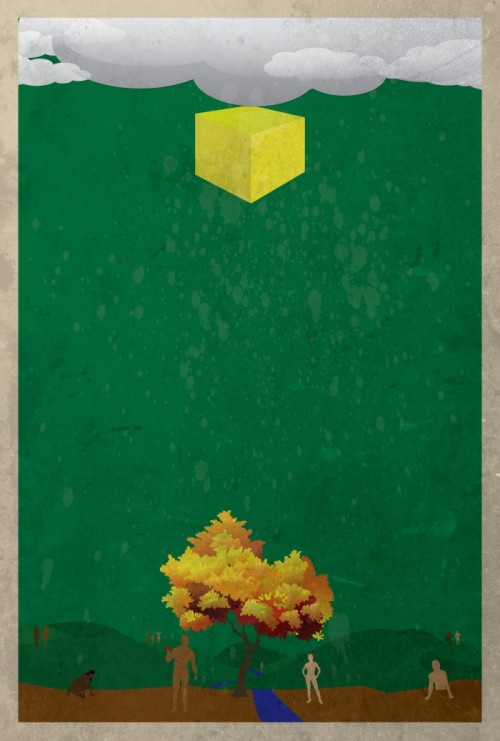
Green is a picture of new life, and thus seemed fitting for resurrection and everlasting life. This concept was largely inspired by Signorelli’s Resurrection and much of Revelation’s imagery. But the two things I did not like about Signorelli’s picture were that everyone looked European (so I depicted multiple skin tones), and it appeared as though they were resurrected into a dirty, stale world (so I depicted a lush green, rolling Italian landscape where people were exploring – like the new heavens and earth). The cube descending (from heaven above, positionally and hinted by the clouds) is representative of the New Jerusalem in Revelation, showing God’s dwelling is now with humanity. The center is the tree of life, which you can see a figure (hinting towards Adam) holding something red in his hand (a tip towards the forbidden fruit and the moment when sin entered, but this time sin is forgiven alluding to the idea in Revelation that the leaves of the tree will be for the healing of the nations). Also, there are 12 people in the poster, symbolizing perfection or completeness.